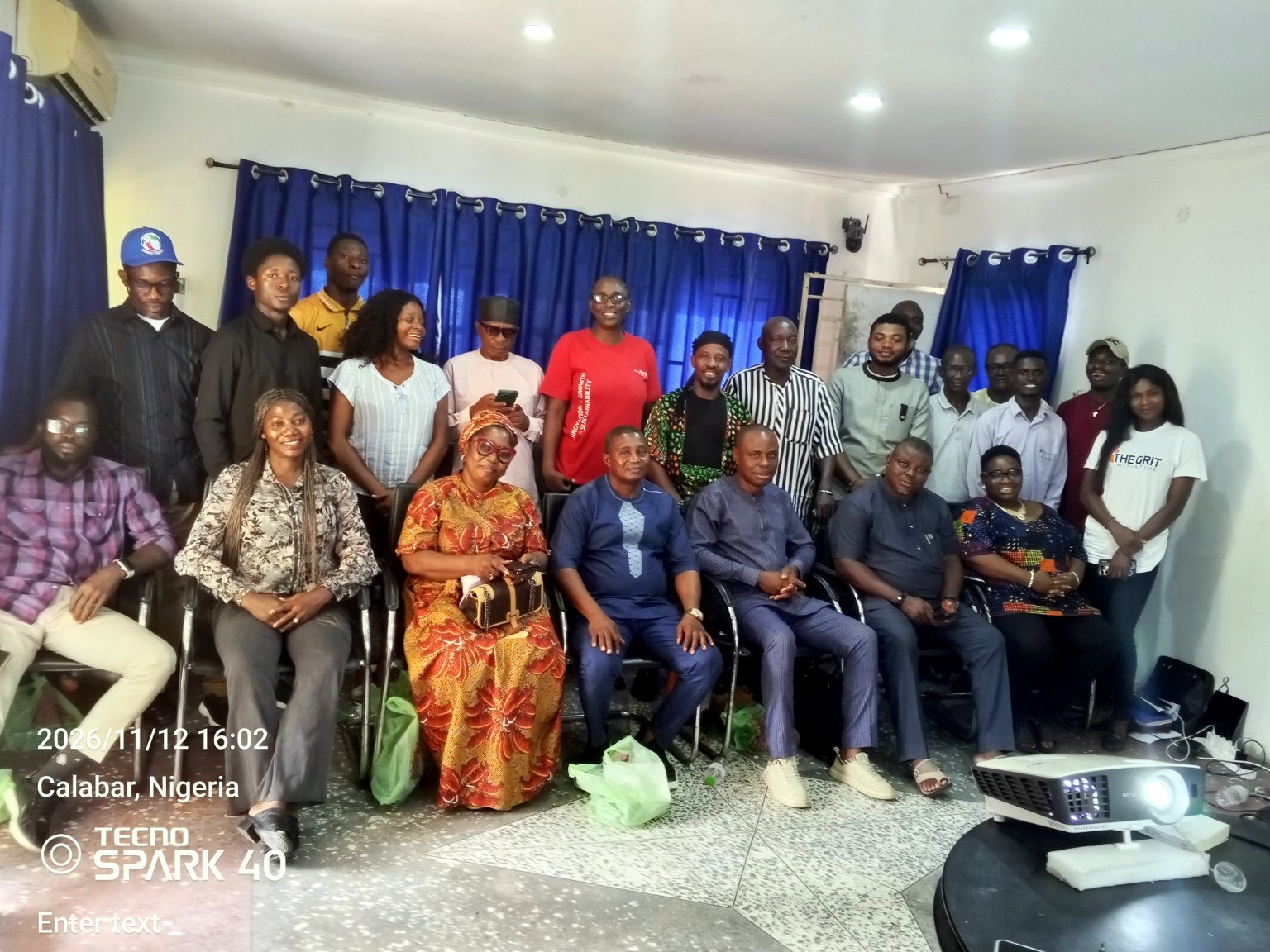
On 12 November 2026, the Cross River State CSO Self-Regulation Champions facilitated a step-down training in Calabar, bringing together 26 participants in total. The gathering included BTAN members, media representatives, established civil society actors, emerging organisations and groups still in the process of registration.
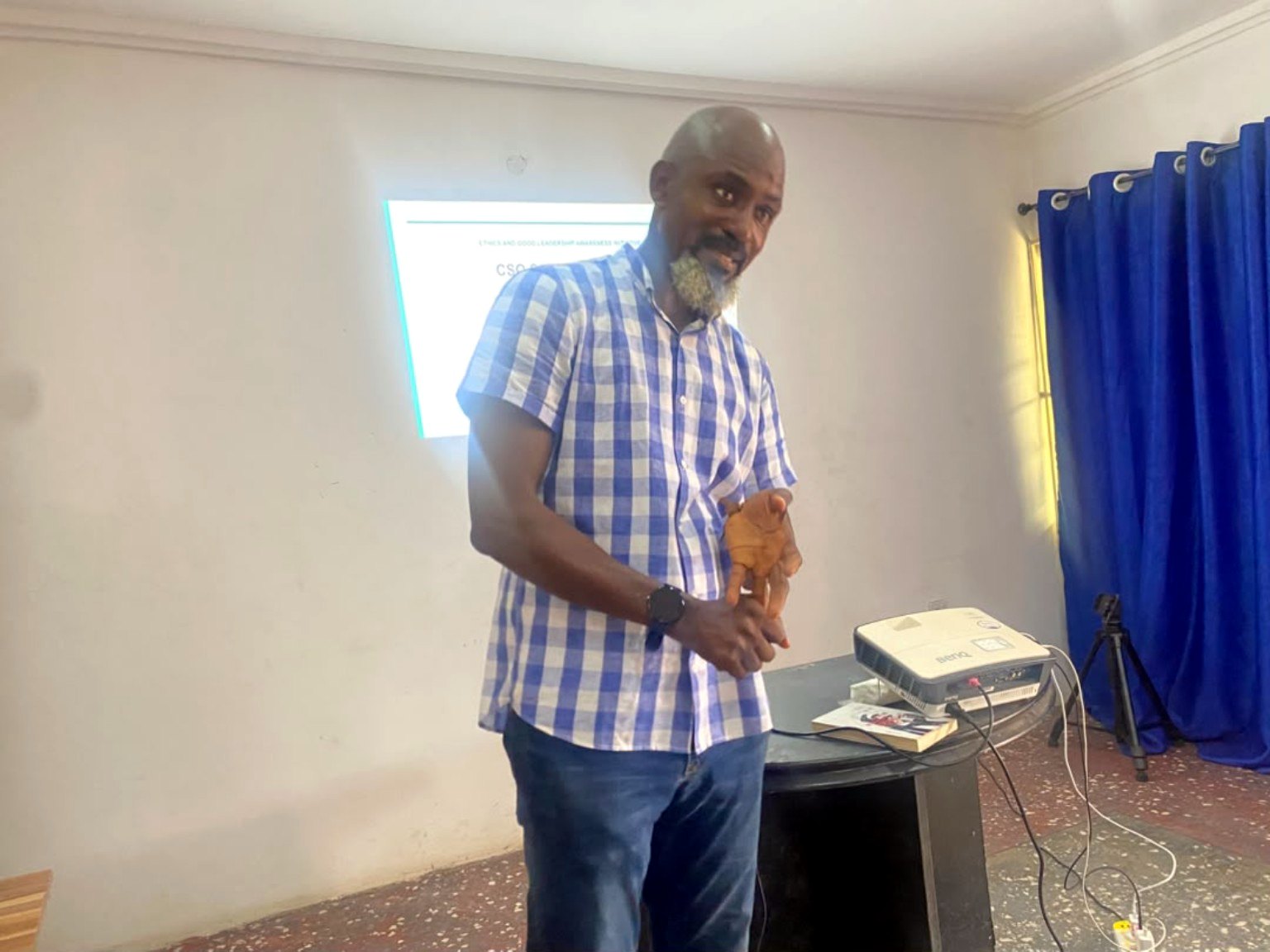
BTAN organised the session, which was facilitated collectively by the Cross River State Self-Regulation Champions, including a P4SEDI representative.
Four sessions, practical questions
- Understanding CSOs and Self-Regulation: why voluntary standards matter beyond registration.
- The EGLAI Hybrid Model: ways to encourage adoption, practice, support and evidence.
- Minimum Standards in Practice: codes of conduct, safeguarding, governance and organisational responsibilities.
- Cross River Adoption Action: making the learning usable within organisations and peer networks.
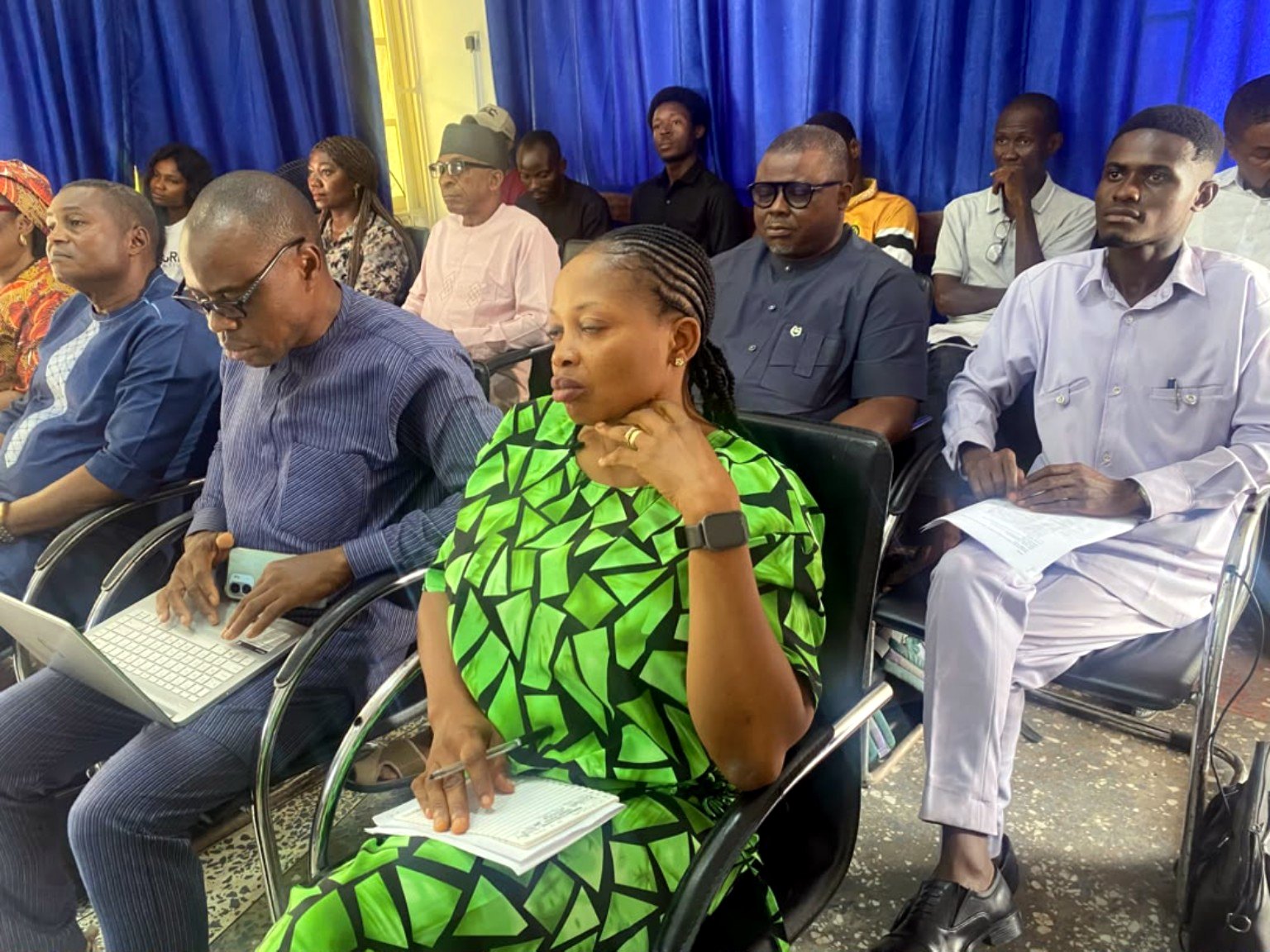
Particular attention was paid to organisational self-assessment and Board governance. Participants discussed how trustees, management, staff and volunteers can turn written standards into day-to-day practice, identify institutional gaps and address them responsibly.
A reflection that stayed with the room
One participant reflected that, despite years of involvement in the civil society sector and experience serving on organisational Boards, several of the governance conversations were new to her. Her contribution reinforced the value of deliberate Board orientation and continuing governance training, even for experienced sector actors.
Participants described the sessions as engaging and enlightening, and some expressed willingness to champion self-regulation within their organisations and networks. These are encouraging immediate responses; their translation into adopted policies, completed self-assessments and improved practice will need follow-up.
From learning to action
The training drew on the work of the Ethics and Good Leadership Awareness Initiative (EGLAI) under the EU-funded CSO Strengthening Bridge Project implemented by International IDEA. State Champions, including P4SEDI's representative, contributed to the step-down as part of the wider civil society network.
For P4SEDI, the next meaningful question is how organisations will use the learning: conducting self-assessments, clarifying Board responsibilities, putting appropriate policies in place and making accountability routine. The strength of self-regulation will be measured by practice over time.