Waste-management advice often begins with a familiar instruction: put your waste in the bin. But what happens when the bin itself can no longer contain the waste?
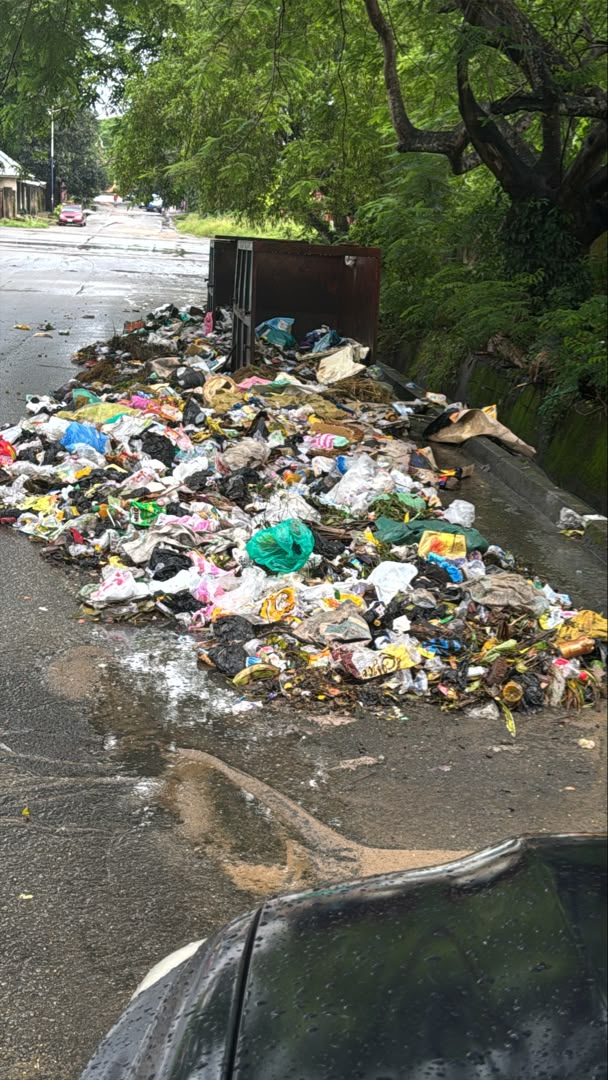
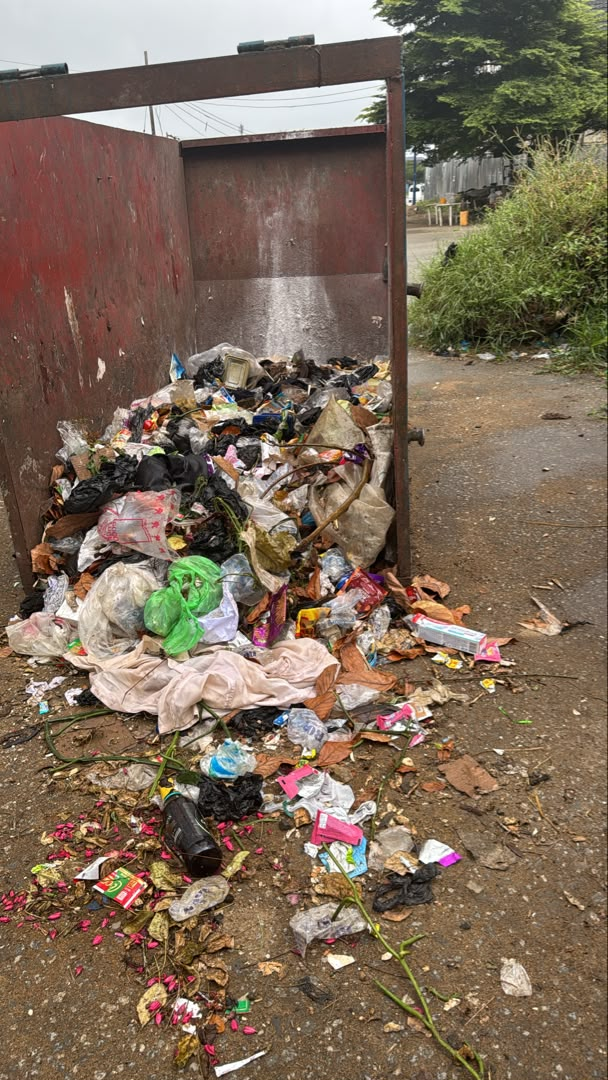
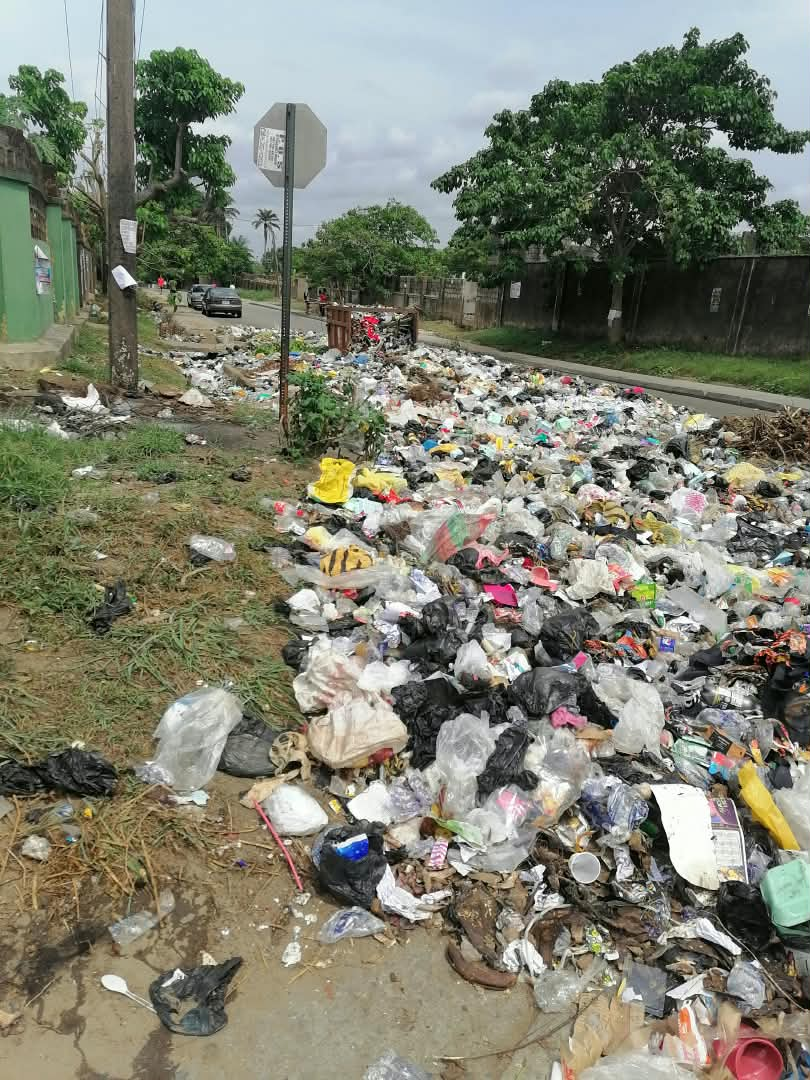
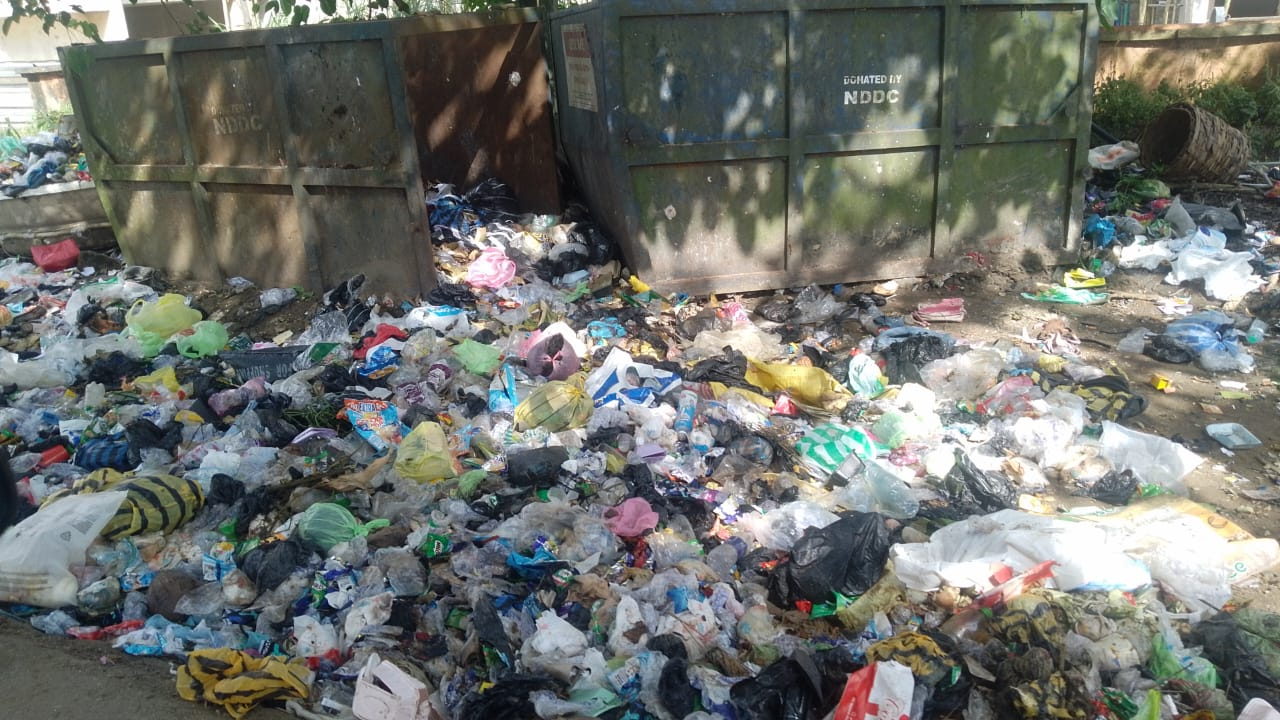
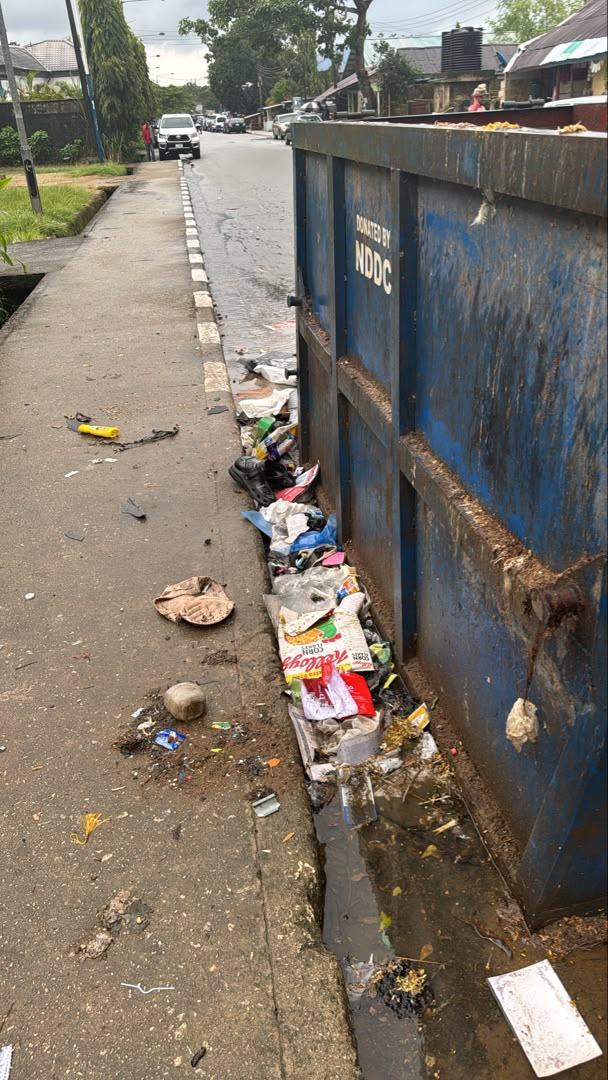
During recent environmental observations across parts of Calabar, P4SEDI documented damaged waste receptacles around Ibom Layout, Akai Efa, the WAPI axis and other locations. In several instances, sections of the metal receptacles were missing or severely compromised, while refuse extended beyond the remaining structure.
Infrastructure is part of the waste system
A receptacle is more than a metal container. It is one link in a chain that includes disposal, containment, collection, evacuation, transport, recovery and final treatment or disposal. When the containment link fails, the surrounding environment can become part of the collection point.
The photographs do not tell us why any particular receptacle failed. Damage could arise from age, corrosion, handling during evacuation, fire, vandalism, overloading, design limitations or other factors. It would be irresponsible to assign a cause from photographs alone. What the images do establish is simpler: some receptacles observed by P4SEDI were no longer fully intact.
The questions that follow
That observation raises an infrastructure-governance question. How are public receptacles inspected? Is there a system for reporting damage? Who repairs or replaces them? Are designs suited to the volume and type of waste they receive? Is maintenance planned as part of the original investment, or does attention end once the receptacle is installed?
Providing infrastructure is only the beginning
Public infrastructure is sustainable only when its useful life is protected. That requires attention to design, placement, use, maintenance, repair and eventual replacement. A waste system that asks residents to dispose responsibly must also provide facilities capable of performing the task expected of them.
This does not remove responsibility from residents. Nor does it establish that every waste problem around a collection point is an infrastructure failure. It simply restores an often-missed part of the conversation: responsible disposal and functional infrastructure have to work together.
Why P4SEDI is documenting this
Waste & the City separates the waste conversation into its different parts so that behaviour, infrastructure, pollution and recovery can be examined without turning every problem into the same argument. These photographs are field observations, not a city-wide infrastructure audit. P4SEDI will continue to document conditions and refine the conversation as evidence grows.