Plastic solved real problems. It made products lighter, packaging cheaper, food easier to preserve and goods easier to transport. Its usefulness is one reason it became embedded in almost every part of modern life.
But the same quality that makes plastic so useful also makes its waste difficult to ignore: durability. A material designed to last can become an environmental burden when it is used for minutes and then discarded into a system that cannot reliably contain, recover or recycle it.
The problem begins before litter
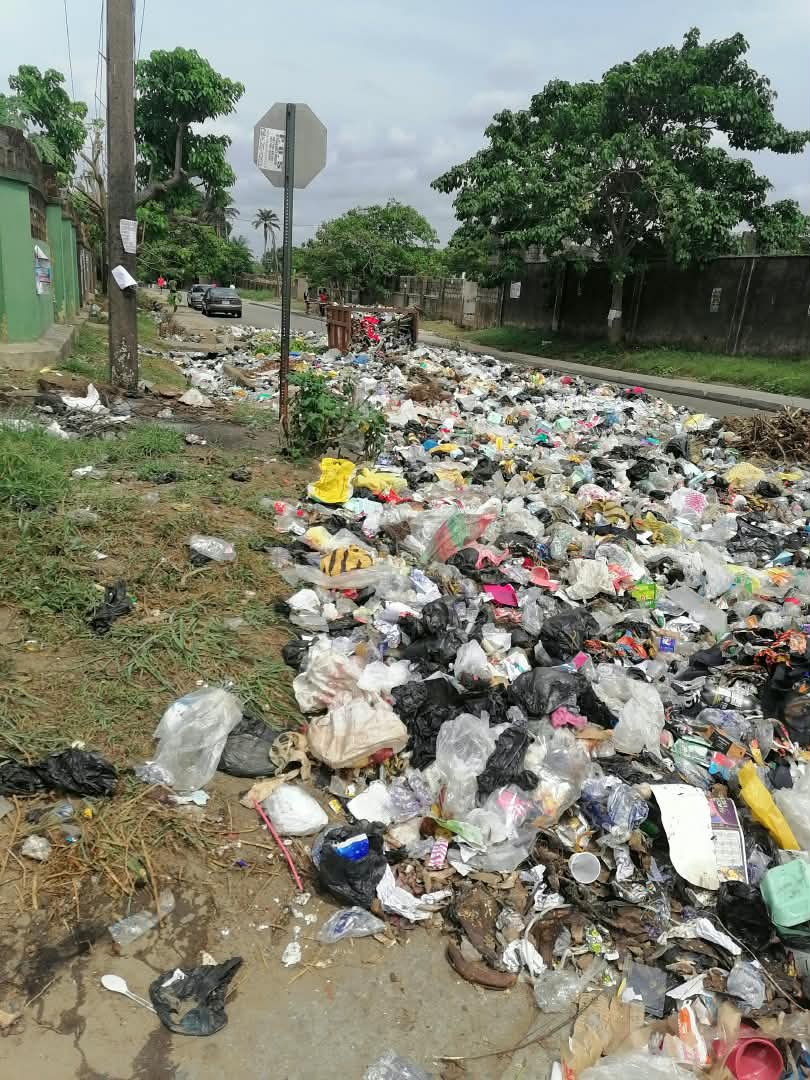
Plastic pollution is often represented by bottles in waterways, sachets in gutters and packaging caught in vegetation. Those images matter, but they are the visible end of a much larger life cycle that includes production, product design, consumption, collection, recycling, disposal and leakage into the environment.
The scale is substantial. UNEP reports that humanity was expected to consume more than 500 million tonnes of plastics in 2024, with around 400 million tonnes becoming plastic waste. Earlier OECD global accounting found that only about 9% of plastic waste was ultimately recycled in 2019. The numbers come from different reporting periods, but they point to the same structural challenge: production and waste generation are far larger than effective recovery.
From one hand to a wider environment
A sachet leaves someone's hand. Rain moves it towards a gutter. The gutter becomes a transport route. The drain connects to another waterway. Something used for only a few minutes can begin a much longer environmental journey.
Mismanaged waste is a major pathway for larger plastic items entering the natural environment. This is why plastic pollution cannot be reduced to a single instruction such as “don't litter”, even though disposal behaviour matters. Collection systems, product design, producer responsibility, recycling capacity and enforcement all matter too.
Nigeria's policy landscape is changing
Nigeria is not without a policy response. NESREA currently lists the National Environmental (Plastic Waste Control) Regulations, 2026. The existence of regulation is important, but the environmental outcome ultimately depends on implementation, infrastructure, compliance, recovery systems and behaviour.
The global treaty is still unfinished
In 2022, countries agreed through the United Nations Environment Assembly to negotiate a legally binding international instrument on plastic pollution across the plastic life cycle. The process did not conclude by the originally anticipated end of 2024. Negotiations continued through 2025. UNEP records that INC-5.3, held on 7 February 2026, was limited to organisational and administrative matters and held no substantive negotiations. Preparatory work towards INC-5.4 was continuing in 2026.
So what should change?
The answer is not simply to pretend modern societies can eliminate every useful plastic application overnight. The more practical challenge is to reduce unnecessary plastic use, design products for longer life and recovery, improve collection and recycling, strengthen producer responsibility, prevent open dumping and burning, and make responsible disposal ordinary behaviour.
For individuals, that can begin with very small choices. A sachet does not belong in a drain. A bottle does not disappear because it leaves our hand. Reusable alternatives make sense in many contexts. Recoverable materials should enter recovery systems where those systems exist.
For public authorities and producers, responsibility extends further: policy, product design, infrastructure, collection, enforcement and end-of-life management must work together.